
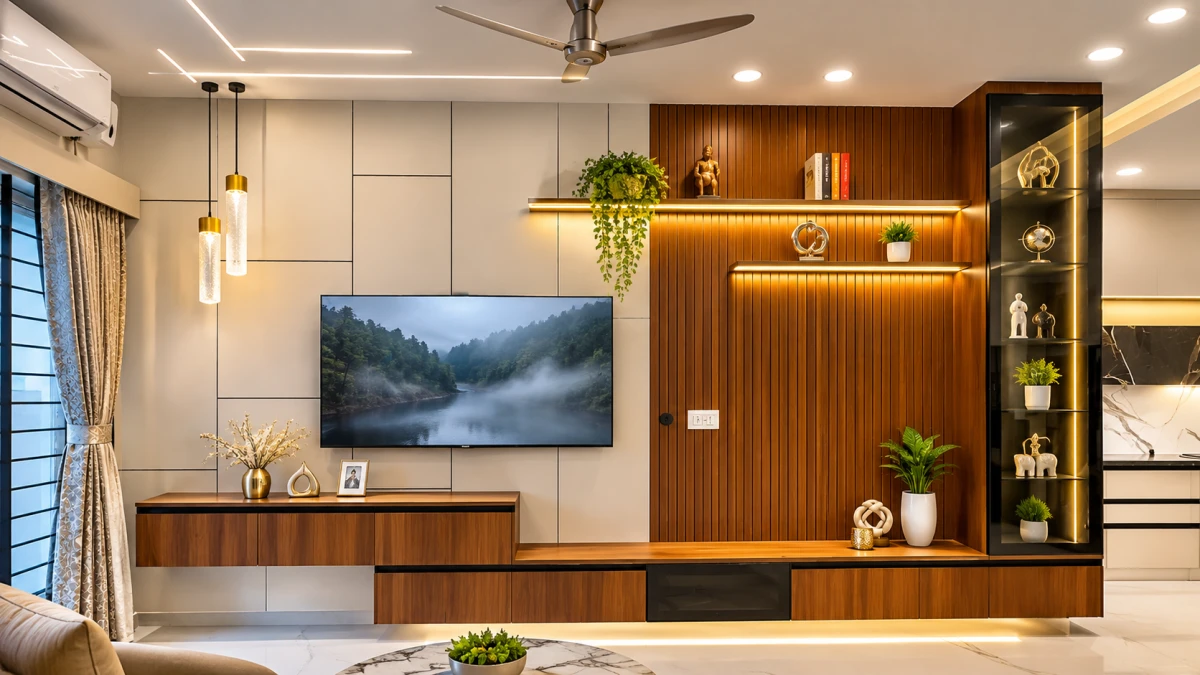
Home Interior Design in Chennai: What Homeowners Should Know Before Starting
Getting the keys to a new home is an exciting moment. You start imagining where the sofa will go, how your kitchen should look, what colour would suit your bedroom and how to make every corner feel like your own.
But once you begin exploring home interior design in Chennai, you may come across hundreds of design ideas, different materials, packages and quotations. It can quickly become confusing, especially when you're planning interiors for the first time.
The good news? You don't need to have every detail figured out before getting started. A little planning can make the entire process much easier.
1. Understand How You Want to Use Each Space
Before looking at designs, think about your everyday routine.
For example, a family that enjoys cooking together may need a kitchen with plenty of counter space and organised storage. A couple working from home might prefer a small study area in the living room or bedroom.
Think about practical questions:
• Do you need extra wardrobe space?
• Will you frequently have guests at home?
• Do you need a dedicated work-from-home corner?
• Would you prefer an open kitchen or a separate kitchen?
• How much storage do you need?
These small decisions help your interior designer plan a home that suits your lifestyle, rather than simply creating something that looks attractive in photographs.
2. Decide on a Realistic Interior Budget
One of the first questions homeowners ask is, "How much will my home interiors cost?"
There isn't one fixed price for every home. The overall cost depends on factors such as the size of your property, materials, design details, storage requirements, finishes and the amount of customisation involved.
For example, two 2BHK apartments may have very different interior budgets. One homeowner may prefer simple finishes and essential storage, while another may choose customised wardrobes, decorative wall panelling, premium finishes and detailed ceiling designs.
Instead of choosing a design based only on its appearance, discuss your budget with the designer. It helps everyone understand what can realistically be included.
3. Choose Materials That Suit Your Home and Lifestyle
A beautiful finish is important, but the material behind it matters just as much.
Consider a kitchen, for example. It is one of the most frequently used spaces in a home. The material used for cabinets, the type of finish and the hardware should be selected with everyday use in mind.
Similarly, bedroom wardrobes need to offer convenient storage, durable hardware and a finish that complements the rest of the room.
Ask your designer about the available material options, their maintenance requirements and how they will perform with regular use. Understanding these details before finalising the design can help you make more confident decisions.
4. Don't Overlook Space Utilisation
A home doesn't need to be large to feel comfortable. What matters is how effectively the available space is planned.
Imagine a compact bedroom with a large freestanding wardrobe, bulky furniture and very little walking space. Even if each piece looks beautiful individually, the room may feel crowded.
A better approach could be a well-planned wardrobe, a practical bedside unit and furniture suited to the room's dimensions.
Good interior design is not about filling every empty corner. It is about making the space work for you.
5. Focus on Lighting and Ventilation
Lighting has a surprising impact on how a room feels.
A living room with a combination of natural light, ceiling lights and focused lighting can feel more welcoming than a room that depends on a single bright light.
For example, warm lighting near a TV unit or a bedside reading light can make everyday activities more comfortable. At the same time, thoughtful window and furniture placement can help make better use of natural light.
Don't treat lighting as the final decoration. Include it in the planning stage itself.
6. Compare Interior Design Quotations Carefully
Getting quotations from different interior designers is a sensible step. However, comparing only the final price can be misleading.
One quotation may include specific hardware, finishes, storage units and installation details, while another may list only basic specifications.
Before making a decision, compare:
• Materials and brands mentioned
• Scope of work and included units
• Hardware and finish specifications
• Design and execution details
• Payment milestones and project timelines
A clear quotation helps you understand what you're paying for and reduces confusion later.
7. Think Beyond Trends
It's always interesting to explore the latest home interior design trends. From minimalist living rooms to modern kitchens and statement bedroom walls, there are plenty of ideas to get inspired by.
But remember that trends change. Your home should continue to feel comfortable and functional even after a few years.
You might love a bold colour combination today, but would you enjoy seeing it every day? Sometimes, keeping the larger elements timeless and adding personality through décor, cushions, artwork and accessories is a more flexible approach.
Give Your Home a Thoughtful Beginning
Planning home interiors is not just about selecting colours, laminates or furniture. It's about understanding how you want to live and translating those preferences into a comfortable, functional home.
Take time to discuss your requirements, understand material choices, compare quotations and plan each room carefully. The more clarity you have at the beginning, the easier it becomes to make decisions throughout the process.
At Studio 1 Interiors, we believe every home should reflect the people living in it. From understanding your space requirements to planning full-home interiors, the focus should always be on combining thoughtful design, functionality and aesthetics.
Planning your new home interiors in Chennai? Explore our website to learn more about Studio 1 Interiors and our design services.
Connect with us: https://share.google/BoSr0Ujuru3YuEgBj